
Most British companies using Google Ads struggle to see a strong return on their investment. With advertising costs in London rising sharply, a recent survey found that over 60 percent of small businesses waste budget on campaigns that miss the mark. Setting clear goals and making smart targeting decisions is vital for any British business aiming to grow online. This guide offers proven steps to help you sharpen your Google Ads strategy, attract local customers, and make every pound count.
Table of Contents
- 1. Set Clear Goals For Your Google Ads Campaign
- 2. Use Location Targeting To Reach London Customers
- 3. Choose The Right Keywords For Your Industry
- 4. Write Compelling And Relevant Ad Copy
- 5. Optimise Your Budget To Maximise ROI
- 6. Monitor And Adjust With Conversion Tracking
- 7. Use Negative Keywords To Avoid Wasted Spend
Quick Summary
| Key Message | Explanation |
|---|---|
| 1. Set Specific Campaign Goals | Define clear, measurable objectives that align with your business strategy to enhance results. |
| 2. Use Precise Location Targeting | Focus your ads on specific areas in London to reach your ideal customers effectively. |
| 3. Select Relevant Keywords | Target keywords that reflect actual search behaviour for better engagement and lower costs. |
| 4. Write Compelling Ad Copy | Create engaging ads that address customer needs and include a clear call to action. |
| 5. Implement Conversion Tracking | Use tracking methods to measure ad performance and make data-driven adjustments for improvement. |
1. Set Clear Goals for Your Google Ads Campaign
Successful Google Ads campaigns begin with crystal clear objectives that align precisely with your business strategy. Many London businesses make the mistake of launching ads without a defined purpose, which often leads to wasted advertising budget and minimal returns.
When setting campaign goals, you need to identify specific, measurable outcomes that directly support your business growth. These goals could range from increasing website traffic and generating leads to driving online sales or boosting brand awareness. Professional certificate learners understand the strategic importance of defining objectives before diving into campaign creation.
To effectively set campaign goals, consider these key questions: What do you want potential customers to do? How will you measure success? Are your objectives realistic and achievable within your current marketing budget? Google’s official guidelines recommend breaking down broad aspirations into specific, trackable metrics that can be directly attributed to your advertising efforts.
For instance, a local restaurant might set a goal of increasing weekend bookings by 25% through targeted Google Ads, while an e-commerce shop could aim to generate £5,000 in online sales within the first month of advertising. The key is selecting goals that are SMART: Specific, Measurable, Achievable, Relevant, and Time-bound.
Expert Tip: Always align your Google Ads goals with your overall business strategy, ensuring that each campaign contributes meaningfully to your broader marketing objectives.
Tip: Map out your campaign goals before creating any ads, and establish clear key performance indicators (KPIs) to track your progress and success.
2. Use Location Targeting to Reach London Customers
Location targeting in Google Ads is a powerful strategy that allows London businesses to precisely focus their advertising efforts on potential customers within specific geographic boundaries. By narrowing your advertising reach, you can dramatically improve the relevance and efficiency of your marketing spend.
Location targeting tactics in Google Ads enable you to create hyperlocal campaigns that connect directly with your most valuable audience. For London businesses, this means you can target customers not just in the city centre, but in specific boroughs, neighbourhoods, or even precise postcode areas where your ideal customers live and work.
The strategic implementation of location targeting offers several significant advantages. You can adjust your bidding strategy to invest more aggressively in areas with higher conversion potential, exclude regions that are less likely to generate business, and create messaging that resonates with local customers. This approach ensures that every pound of your advertising budget is spent reaching individuals most likely to engage with your business.
Practical Location Targeting Strategies:
- Target specific London postcodes relevant to your business
- Set radius targeting around your physical business location
- Create location bid adjustments to prioritise high performing areas
- Exclude regions that do not align with your service offering
For example, a Shoreditch cafe could target professionals within a 5 kilometre radius during weekday lunch hours, while a West London plumbing service might focus on residential areas in Ealing, Hammersmith, and Chiswick.
Custom location targeting allows you to be incredibly precise. You can set parameters based on user location, location of interest, or both giving you granular control over your advertising reach.
Tip: Regularly review and refine your location targeting settings to ensure you are reaching the most valuable potential customers while maintaining cost efficiency.
3. Choose the Right Keywords for Your Industry
Keyword selection is the cornerstone of an effective Google Ads campaign, acting as the critical bridge between your business and potential customers searching online. Understanding how to select precisely targeted keywords can transform your advertising from a scattergun approach to a laser focused strategy.
Comprehensive keyword research strategies involve deep understanding of your target audience’s search behaviour and language. For London businesses, this means diving beyond generic terms and uncovering the specific phrases potential customers actually use when seeking your products or services.
Key Keyword Selection Principles:
- Focus on user intent, not just search volume
- Include specific location based keywords (e.g., “plumber in Hackney”)
- Mix broad, phrase, and exact match keywords
- Consider long tail keywords with lower competition
For instance, a London based coffee shop might target keywords like “artisan coffee Shoreditch” or “best cappuccino near Liverpool Street” rather than generic terms like “coffee shop”. These specific keywords demonstrate higher purchase intent and lower advertising costs.
Your keyword strategy should balance search volume, relevance, and competition. Utilise Google’s Keyword Planner to understand search frequencies, estimated costs, and potential audience reach. Remember that the most expensive keywords are not always the most effective.
Tip: Review and refresh your keyword list monthly, removing underperforming terms and adding new variations based on actual search data from your campaigns.
4. Write Compelling and Relevant Ad Copy
Your Google Ads copy is the critical first interaction between your business and potential customers. Crafting ad text that captures attention, communicates value, and drives action is an art form that can dramatically improve your advertising performance.
Professional advertising strategies emphasise creating ad copy that speaks directly to your target audience’s needs and desires. The most effective advertisements solve a specific problem or fulfil a particular desire in just a few carefully chosen words.
Essential Ad Copy Principles:
- Address customer pain points directly
- Use active, engaging language
- Include a clear value proposition
- Incorporate specific benefits
- Create a sense of urgency
For a London based business, this might mean transforming a generic ad like “Plumbing Services” into a targeted message such as “Emergency Plumber in Hackney Within 30 Minutes Guaranteed”. This approach immediately communicates speed, reliability, and specific location relevance.
Your ad copy should align perfectly with the keywords you are targeting. Google rewards relevance by providing better ad placement and lower cost per click. This means your headline, description, and display URL must create a cohesive narrative that matches what potential customers are searching for.
Remember that you have extremely limited space to make an impact. Your headline has approximately 30 characters, and your description lines have around 90 characters each. Every word must work hard to attract, inform, and motivate your potential customer.
Tip: Always write multiple versions of your ad copy and conduct regular A B testing to discover which messaging resonates most effectively with your target audience.
5. Optimise Your Budget to Maximise ROI
Optimising your Google Ads budget is not about spending less, but about spending smarter. Every pound invested should work strategically to generate meaningful business results for your London enterprise.
Advanced budget optimisation strategies emphasise precision targeting and continuous performance monitoring. The goal is transforming advertising expenditure from a cost centre into a robust revenue generation mechanism.
Budget Optimisation Strategies:
- Start with a conservative daily budget
- Use bid adjustments for peak performance times
- Implement conversion tracking
- Regularly review and eliminate underperforming keywords
- Allocate more budget to high converting campaigns
For instance, a local London restaurant might allocate more budget to weekend lunch hour campaigns when potential customers are actively searching for dining options. By understanding your audience’s behaviour, you can create targeted spending that yields significantly higher returns.
Google Ads offers multiple bidding strategies including manual cost per click, enhanced cost per click, and automated bidding. Each strategy suits different business objectives. A new business might prefer manual bidding for greater control, while an established enterprise could leverage machine learning through automated strategies.
Constant monitoring is crucial. Even a well planned budget requires regular analysis and adjustment. Small tweaks can result in substantial performance improvements, potentially reducing your cost per acquisition by substantial percentages.
Tip: Set aside approximately 10% of your monthly budget for experimental campaigns to discover new audience segments and refine your overall advertising approach.
6. Monitor and Adjust with Conversion Tracking
Conversion tracking is the compass that guides your Google Ads strategy, transforming raw data into actionable insights that can dramatically improve your advertising performance. Without understanding how your ads translate into real business results, you are essentially navigating in the dark.
Strategic conversion tracking methods provide a comprehensive approach to measuring the true impact of your advertising efforts. This goes far beyond simply counting clicks and delves into understanding which specific advertisements are generating genuine business value.
Conversion Tracking Essentials:
- Define what constitutes a conversion for your business
- Install tracking pixels on key website pages
- Set up goal tracking in Google Analytics
- Monitor conversion rates across different campaigns
- Analyse cost per conversion
A local London fitness centre, for instance, might track conversions as online class bookings, membership sign ups, or free trial registrations. By understanding which ads generate these specific actions, you can allocate your budget more intelligently and create more targeted messaging.
Google Ads provides multiple conversion tracking options including website conversions, phone call conversions, and app installations. Each offers unique insights into how potential customers interact with your business. The key is selecting tracking methods that align most closely with your specific business objectives.
Remember that conversion tracking is not a one time setup. It requires ongoing attention and refinement. Regular analysis allows you to identify trends, eliminate underperforming strategies, and double down on what genuinely works for your business.
Tip: Review your conversion data weekly and be prepared to make swift adjustments to your campaigns based on performance metrics.
7. Use Negative Keywords to Avoid Wasted Spend
Negative keywords are the unsung heroes of efficient Google Ads campaigns, acting as a strategic filter that prevents your advertisements from appearing in irrelevant search results. By carefully selecting what you do not want to appear for, you can significantly reduce unnecessary advertising expenditure.
Strategic keyword management techniques emphasise the critical role of negative keywords in refining your targeting and protecting your marketing budget from wasteful clicks.
Negative Keyword Strategy Essentials:
- Review search term reports regularly
- Identify irrelevant search queries
- Add broad inappropriate terms
- Consider intent as well as literal meaning
- Update negative keyword list monthly
For a London based wedding photographer, negative keywords might include terms like “free”, “cheap”, “job”, or “courses” which signal users not seeking professional photography services. By excluding these terms, you ensure your ads only appear for high intent, potentially paying customers.
Negative keywords work across different match types including broad, phrase, and exact match. This flexibility allows you to create nuanced filtering strategies that protect your budget while maintaining visibility for genuinely relevant searches.
Consider creating separate negative keyword lists for different campaigns. A restaurant might have different exclusions compared to a professional training service, reflecting the unique characteristics of each business.
Tip: Conduct a thorough search term report analysis every fortnight to identify and eliminate keywords that are draining your advertising budget without delivering meaningful results.
Below is a comprehensive table summarising essential strategies for optimising Google Ads campaigns as discussed in the article.
| Strategy | Implementation | Benefits/Outcomes |
|---|---|---|
| Set Clear Goals | Define specific, measurable outcomes aligned with business strategy. Use SMART criteria to ensure goals are specific, measurable, achievable, relevant, and time-bound. | Minimises wasted budget and ensures alignment with business growth objectives. |
| Use Location Targeting | Focus on precise geographic areas within London, such as specific boroughs or postcodes, and adjust bidding strategies accordingly. | Maximises relevance and efficiency of advertising spend, targeting valuable local customers. |
| Choose the Right Keywords | Conduct comprehensive research, focusing on user intent and incorporating location-based and long-tail keywords. | Increases ad relevance and reduces costs, ensuring higher quality traffic. |
| Write Compelling Ad Copy | Craft engaging, benefit-focused messages with clear value propositions. Conduct A/B testing to refine effectiveness. | Improves ad performance by attracting attention and driving actions. |
| Optimise Budget | Start conservatively, use bid adjustments, and implement conversion tracking. Continuously assess campaign performance. | Enhances ROI by aligning spend with high-converting opportunities. |
| Monitor with Conversion Tracking | Set up tracking pixels and goals to measure campaign success and refine strategies. | Provides actionable insights into what drives business value, allowing informed adjustments. |
| Use Negative Keywords | Regularly update lists to exclude irrelevant terms, using match types to refine filtering. | Protects budget by preventing ads from appearing in irrelevant searches. |
Maximise Your London Business Potential with Expert Google Ads Support
Navigating the complexities of Google Ads can feel overwhelming especially when trying to set clear goals and optimise budget to achieve real growth. This article highlights crucial challenges such as precise location targeting, compelling ad copy, and conversion tracking that many London businesses face daily. If you want to go beyond theory and see how these strategies translate into success, our team at Market Link Solutions is here to help.
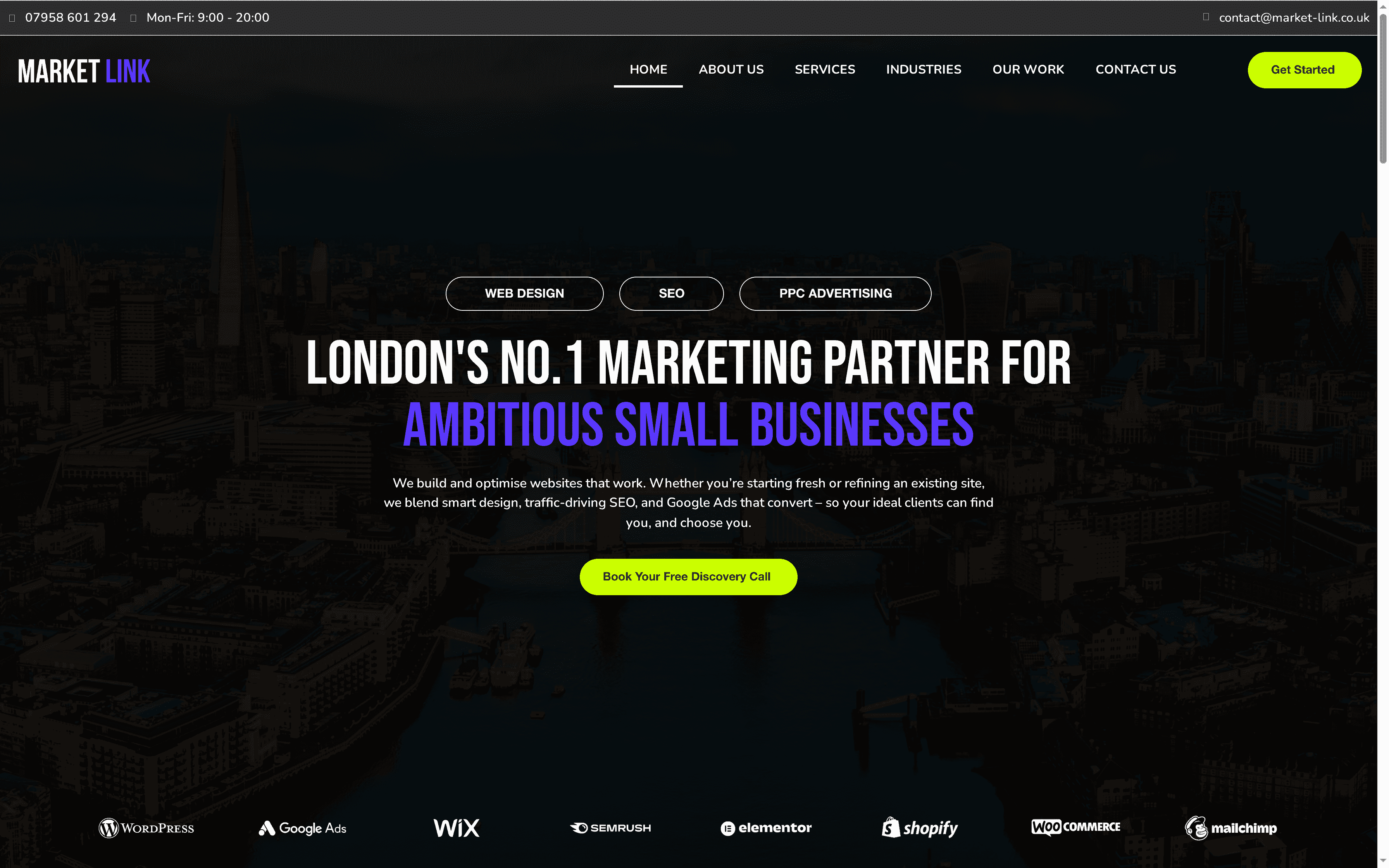
Discover how your business can benefit from tailored PPC advertising and SEO optimisation crafted specifically for London markets. Check out our inspiring Success Stories Archives – Digital Marketing Agency – Market Link Solutions for real examples of businesses like yours. Take the next step now and partner with a dedicated agency that understands your unique needs at Market Link Solutions. Let us help you turn clicks into loyal customers and build a digital presence that truly works.
Frequently Asked Questions
How do I set clear goals for my Google Ads campaign?
Setting clear goals starts by identifying specific and measurable outcomes that align with your business strategy. Consider what you want potential customers to do and establish key performance indicators to track your progress, such as increasing website traffic by 30% within three months.
What location targeting strategies should I use in London?
Use location targeting to focus your advertising on specific neighbourhoods or postcode areas that are relevant to your business. For example, if you’re a service provider in North London, set radius targeting around that area to reach customers who are more likely to engage with your services.
How can I choose the right keywords for my Google Ads campaign?
Focus on user intent when selecting keywords, and include location-specific phrases relevant to your business. For instance, if you’re a local café, target keywords like “artisan coffee in Shoreditch” instead of broad terms; this can reduce costs and increase conversion rates.
What are the key elements of writing compelling ad copy?
Compelling ad copy should address customer pain points, clearly communicate your value proposition, and create a sense of urgency. Write multiple versions of your ad copy, incorporating active language to capture attention, and test to see which resonates best with your target audience.
How can I effectively optimise my Google Ads budget?
Optimising your budget involves understanding your audience’s behaviour and reallocating funds to high-converting campaigns. Start with a conservative daily budget and adjust based on performance, aiming to increase your overall return on investment by refining your spending strategy over time.
Why is conversion tracking important for my Google Ads campaigns?
Conversion tracking helps measure the effectiveness of your ads by identifying which campaigns drive real business outcomes, like sales or sign-ups. Set up conversion tracking to monitor key actions, and regularly analyse this data to make informed adjustments to improve your advertising performance.