
Most british restaurants still miss out on the full power of Instagram advertising to attract local diners and drive online reservations. With over 30 million active users in the United Kingdom, Instagram offers a direct path for London restaurant owners to connect with customers where they spend their time. This guide breaks down proven strategies to help you engage your ideal diners, create content that stands out, and turn your social media presence into real online bookings.
Table of Contents
- Step 1: Define Your Advertising Objectives And Ideal Diners
- Step 2: Set Up Your Instagram Ad Account And Tracking Tools
- Step 3: Create Compelling Content Showcasing Your Restaurant
- Step 4: Launch Targeted Ad Campaigns For Local Engagement
- Step 5: Monitor Results And Optimise For More Reservations
Quick Summary
| Key Message | Explanation |
|---|---|
| 1. Define clear advertising objectives | Identify specific goals like increasing weekend bookings or attracting new diners to tailor your ads effectively. |
| 2. Understand your ideal diner profile | Create a customer persona based on demographics, preferences, and lifestyle to enhance targeted marketing efforts. |
| 3. Use robust tracking tools | Implement tools like Facebook Pixel and Google Analytics to gain insights into ad performance and user engagement. |
| 4. Develop compelling visual content | Showcase your restaurant’s personality through high-quality images and engaging videos to attract potential diners. |
| 5. Monitor and optimise ad campaigns | Regularly review ad performance metrics to refine targeting and maximise bookings through strategic adjustments. |
Step 1: Define your advertising objectives and ideal diners
Successful Instagram ads for restaurants begin with crystal clear objectives and a comprehensive understanding of your target audience. This foundational step ensures your advertising strategy speaks directly to diners who are most likely to book a table and become loyal patrons.
To define your advertising objectives, start by identifying specific, measurable goals that align with your restaurant’s growth strategy. Restaurants can dramatically improve their marketing effectiveness by understanding precise targeting approaches. Are you seeking to increase weekend bookings, promote a new menu, or attract a different demographic? Each objective requires a nuanced approach. For instance, if you want to boost weekend evening reservations, your ad targeting should focus on young professionals and couples looking for dining experiences.
Next, develop a detailed profile of your ideal diners. Consider demographic factors like age, income level, dining preferences, and lifestyle habits. A fine dining establishment might target professionals aged 35-55 with higher disposable incomes, while a casual gastropub could aim for younger urban dwellers seeking relaxed social experiences. Use Instagram’s robust targeting tools to narrow your audience based on interests, behaviours, and location.
Pro tip: Create a “customer persona” document that outlines your ideal diner in detail, including their motivations, challenges, and dining preferences. This will serve as a strategic blueprint for crafting highly targeted Instagram advertisements.
Here’s a reference table comparing key audience profiling factors for different restaurant types:
| Restaurant Type | Ideal Age Group | Typical Income Level | Audience Lifestyle |
|---|---|---|---|
| Fine Dining | 35-55 | High disposable income | Professional, leisure-focused |
| Casual Gastropub | 25-35 | Moderate to high | Urban, social, relaxed |
| Fast Casual/Cafés | 18-30 | Entry-level to moderate | Student, on-the-go, trendy |
| Family Restaurant | 30-45 | Moderate | Family-oriented, practical |
Step 2: Set up your Instagram Ad Account and tracking tools
Establishing your Instagram Ad Account and implementing robust tracking tools is crucial for monitoring and optimising your restaurant’s digital marketing performance. This step will transform your advertising approach from guesswork to strategic precision.
Configuring your Instagram advertising platform requires careful attention to technical details and performance metrics. Begin by converting your existing Instagram business profile into an advertising account through Facebook Business Manager. Link your Facebook page and Instagram account, ensuring seamless integration. Within the platform, select your primary objective such as increasing restaurant bookings or promoting specific menu items. These objectives will guide Instagram’s algorithm in displaying your advertisements to the most relevant potential diners.
Next, implement tracking tools that provide comprehensive insights into your ad performance. Facebook Pixel is an essential tool that allows you to track conversions, understand user behaviour, and retarget potential customers. Install the pixel on your restaurant’s website to monitor actions like menu page visits, reservation enquiries, and actual bookings. Google Analytics can complement these efforts by providing deeper insights into user engagement and conversion pathways.
Pro tip: Create custom conversion events specific to your restaurant goals, such as tracking ‘table reservation completions’ or ‘menu download’ actions, to gain granular understanding of your Instagram ad effectiveness.
Below is a summary of essential Instagram tracking tools and their unique business benefits:
| Tool | Main Function | Business Advantage |
|---|---|---|
| Facebook Pixel | Tracks site user actions | Enables conversion tracking, retargeting |
| Google Analytics | Analyses user engagement | Reveals traffic sources and conversion flow |
| Instagram Insights | Measures post/ad metrics | Guides creative and targeting improvements |
Step 3: Create compelling content showcasing your restaurant
Crafting visually stunning and engaging Instagram content is your gateway to capturing potential diners’ attention and transforming casual browsers into loyal customers. Your content strategy will be the visual storytelling mechanism that brings your restaurant’s unique personality to life.
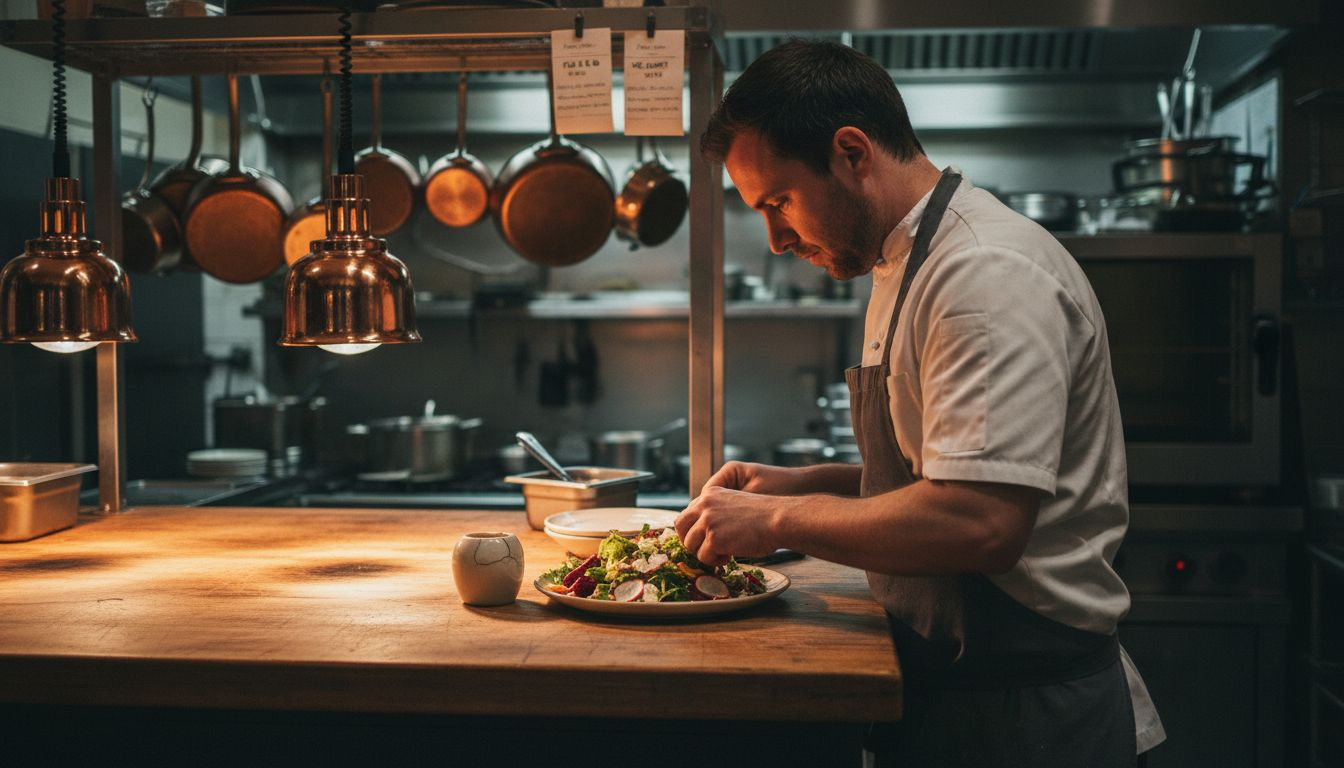
Developing a diverse content strategy involving multiple visual formats helps restaurants effectively communicate their culinary identity. Focus on creating high resolution images and videos that showcase your dishes from multiple angles, highlighting texture, colour, and presentation. Consider mixing professional food photography with behind the scenes glimpses of kitchen preparation, chef profiles, and the overall dining atmosphere. Short video content like Instagram Reels can offer dynamic tours of your restaurant space, quick recipe demonstrations, or staff introducing signature dishes, providing potential customers with an immersive preview of their potential dining experience.
User generated content can dramatically enhance your restaurant’s authenticity and social proof. Encourage patrons to tag your restaurant in their dining photos, and create a branded hashtag that allows you to easily collect and potentially reshare customer experiences. Select the most appealing user submissions that genuinely reflect your restaurant’s quality and atmosphere, ensuring these images align with your brand’s aesthetic and storytelling approach.
Pro tip: Develop a consistent visual aesthetic by using similar colour grading, filters, and compositional styles across your content to create a cohesive and recognisable Instagram feed that instantly communicates your restaurant’s unique character.
Step 4: Launch targeted ad campaigns for local engagement
Launching targeted Instagram ad campaigns will transform your restaurant’s digital marketing strategy by precisely connecting with potential local diners. This step is about strategically positioning your restaurant in front of the right audience at the right moment.
Advanced location based targeting enables restaurants to attract local diners with unprecedented precision. Begin by defining your restaurant’s primary catchment area and utilising Instagram’s geo targeting features. Set a radius around your restaurant location ranging from 2 to 10 kilometres depending on your urban setting. Layer this geographical targeting with demographic filters such as age groups most likely to dine out local restaurants typically 25 to 45 years old and interests related to dining experiences food photography and culinary exploration.
Expand your targeting strategy by implementing interest based and behavioural targeting. Select audience categories that align with your restaurant’s cuisine style and dining experience. For a gastropub this might include followers interested in craft beer and contemporary British cuisine while a fine dining establishment could target food enthusiasts who engage with high end culinary content. Develop multiple ad sets testing different combinations of location interests and behaviours to identify the most responsive audience segments.
Pro tip: Create custom audiences by retargeting website visitors and previous customers using Facebook Pixel tracking. This approach allows you to re engage individuals who have already demonstrated interest in your restaurant amplifying your chances of converting potential diners into actual bookings.
Step 5: Monitor results and optimise for more reservations
Tracking the performance of your Instagram advertising campaigns is crucial for transforming initial efforts into a robust strategy that consistently drives restaurant bookings. Understanding how to interpret and respond to your ad metrics will help you continuously refine your approach and maximise your marketing investment.
Comprehensive performance monitoring allows restaurants to make data driven decisions about their advertising strategies. Begin by establishing key performance indicators specific to your restaurant such as click through rates reservation enquiries and cost per booking. Utilise Instagram Insights and Facebook Ads Manager to track metrics like engagement rate reach and conversion rate. Pay special attention to which ad creative styles resonate most with your audience comparing factors like image quality video content and messaging tone.
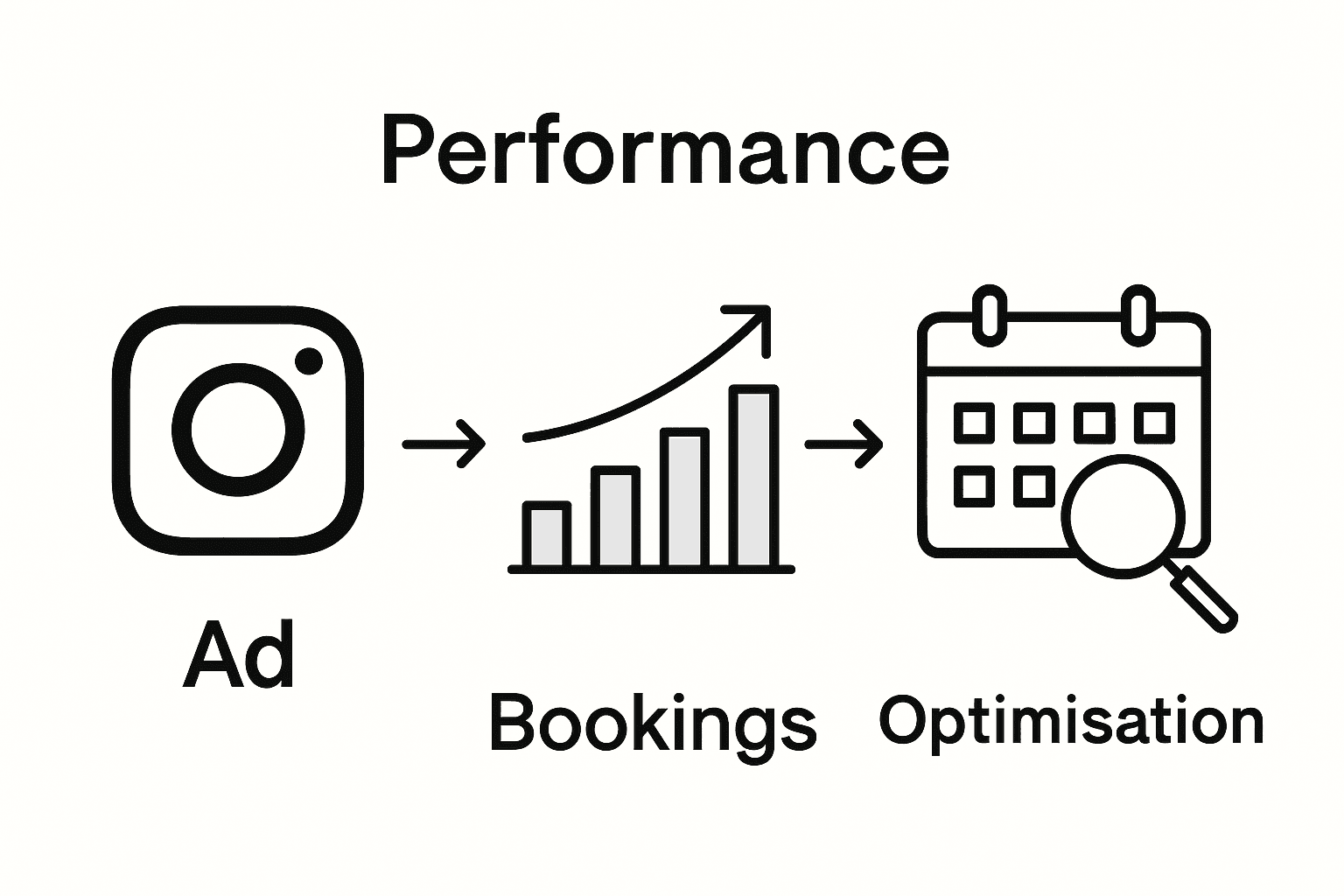
Implement a systematic approach to campaign optimisation by conducting regular performance reviews. Create multiple ad variants to test different targeting parameters visual styles and promotional messages. Allocate your advertising budget dynamically shifting resources towards high performing ad sets and pausing or modifying underperforming campaigns. Look for patterns in audience demographics time of day and content type that generate the most restaurant bookings. Consider segmenting your analysis by factors like age group location and specific interest categories to uncover precise targeting opportunities.
Pro tip: Set up automated reporting to receive weekly performance summaries directly in your email inbox. This approach ensures you stay informed about your campaign metrics without dedicating excessive time to manual data compilation.
Unlock the Full Potential of Instagram Ads for Your Restaurant
Struggling to turn Instagram views into confirmed bookings? This article highlights key challenges like defining clear advertising objectives, mastering precise audience targeting and creating compelling visual content that truly connects. Without expert guidance, even the best campaigns risk falling short of driving real table reservations. Many restaurateurs face pain points around complex ad setup, tracking performance effectively and constantly optimising to boost local engagement.
Our London based digital marketing agency specialises in transforming these challenges into growth opportunities. We provide tailored PPC advertising on Instagram combined with web design and SEO optimisation to help your restaurant stand out to the right local diners. With our proven strategies, you can track exactly how many clicks convert to bookings and continually fine-tune campaigns for maximum reservations.
Explore our Success Stories Archives – Digital Marketing Agency – Market Link Solutions to see how we helped other small businesses grow.
Ready to boost your restaurant bookings fast with expertly crafted Instagram ads? Visit Market Link and let our specialists craft a targeted ad campaign that delivers visible results. Don’t wait to turn your Instagram followers into loyal guests. Contact us now to take your restaurant’s digital marketing to the next level.
Frequently Asked Questions
How can I define my advertising objectives for Instagram ads?
To define your advertising objectives, start by identifying specific, measurable goals such as increasing weekend bookings or promoting a new menu. Create a list of objectives tailored to your restaurant’s growth strategy to guide your advertising efforts.
What tools should I use to track my Instagram ad performance?
Utilise Facebook Pixel to track conversions and user behaviour on your website, while Google Analytics can provide deeper insights into user engagement. Implement these tools to monitor actions like page visits and bookings for a comprehensive understanding of your ad effectiveness.
What type of content should I create for my restaurant’s Instagram ads?
Focus on visually appealing, high-resolution images and videos that showcase your dishes, dining atmosphere, and behind-the-scenes moments. Consider integrating user-generated content to enhance authenticity and encourage patrons to share their experiences.
How can I target local diners effectively with my Instagram ads?
Define your restaurant’s catchment area and use Instagram’s geo-targeting features to reach potential diners within a specific radius. Combine this with demographic filters, such as age and interests, to further refine your audience for better local engagement.
What metrics should I monitor to optimise my Instagram ad campaigns?
Track key metrics such as click-through rates, reservation enquiries, and cost per booking to assess your campaign’s performance. Regularly review these metrics to identify high-performing ad sets, allowing you to allocate your budget effectively for maximum bookings.
How often should I review and adjust my Instagram ad campaigns?
Conduct performance reviews regularly, ideally every week or two, to assess the effectiveness of your advertising strategy. Use these insights to test different ad variations and adjust your targeting or budget allocation based on what is driving the most successful outcomes.
Recommended
- Restaurant PPC Advertising Guide for London Success – Digital Marketing Agency – Market Link Solutions
- Why Your Booking System Is Losing Clients (And How to Fix It)
- 7 Effective Instagram Ads Strategies for London Businesses – Digital Marketing Agency – Market Link Solutions
- Google Ads & Instagram Ads Management – High-ROI Paid Advertising – Digital Marketing Agency – Market Link Solutions