
More than 80 per cent of British customers now search online before booking a table or making an appointment in London. With digital competition at an all-time high, building a strong web presence can make or break your restaurant or clinic’s success. This guide cuts through technical jargon and highlights proven strategies to help London businesses attract attention, keep customers engaged, and stand out in the local marketplace.
Table of Contents
- 1. Build a User-Friendly Website for Local Customers
- 2. Optimise for Local SEO to Appear in Search Results
- 3. Run Targeted Google Ads for Immediate Visibility
- 4. Leverage Instagram Ads to Attract Local Audiences
- 5. Encourage Customer Reviews to Boost Reputation
- 6. Create Engaging Local Content for Your Audience
- 7. Monitor Results and Adjust Your Marketing Efforts
Quick Summary
| Key Insight | Clarification |
|---|---|
| 1. Create a Professional Website | Build a user-friendly, responsive website that highlights your brand and meets customer needs in London. |
| 2. Prioritise Local SEO | Use location-specific keywords and optimise your Google Business Profile to enhance local search visibility. |
| 3. Utilise Targeted Google Ads | Invest in Google Ads targeting local customers to gain immediate visibility for your services in London. |
| 4. Encourage Customer Reviews | Actively seek positive feedback and manage online reviews to build trust and credibility with potential customers. |
| 5. Monitor Marketing Performance | Regularly analyse key performance metrics and adjust strategies based on data insights to improve effectiveness. |
1. Build a User-Friendly Website for Local Customers
Creating a professional website is fundamental for local businesses in London seeking to attract and retain customers in today’s digital marketplace. A well-designed website serves as your virtual shopfront, communicating your brand identity and providing essential information to potential clients.
User-friendly design starts with a responsive layout that adapts seamlessly to mobile devices. Your website must look crisp and function smoothly whether viewed on a smartphone, tablet, or desktop computer. This approach ensures that potential customers can easily navigate your site regardless of their device.
Key elements of an effective local business website include clear navigation, fast loading times, and compelling visual content. Implement an intuitive menu structure that helps visitors find information quickly. Use high-quality images that showcase your products or services, and ensure that contact details are prominently displayed.
Prioritise local search engine optimisation by including location-specific keywords, embedding a Google Maps widget, and creating content that speaks directly to your London-based audience. Include clear calls to action that encourage visitors to book appointments, make purchases, or contact your business.
Pro Tip: Invest in professional web design that reflects your brand’s unique personality and meets the specific needs of your local London customer base.
2. Optimise for Local SEO to Appear in Search Results
Local search engine optimisation represents a critical strategy for London businesses seeking to attract nearby customers and stand out in a competitive digital marketplace. By implementing targeted SEO techniques, you can significantly improve your online visibility and connect with potential clients searching for services in your specific area.
Local SEO strategies focus on helping businesses appear prominently in geographically relevant search results. This involves optimising your online presence to ensure that when potential customers search for services in London, your business ranks highly in their search outcomes.
Key components of effective local SEO include claiming and optimising your Google Business Profile, ensuring consistent business information across online directories, and creating location specific content. Add your precise London address, operating hours, and contact details to your website and online listings. Include local keywords that reflect your neighbourhood or borough to enhance geographical relevance.
Customer reviews play a crucial role in local search rankings. Encourage satisfied clients to leave positive feedback on platforms like Google, Yelp, and industry specific review sites. These authentic testimonials not only improve your search visibility but also build trust with potential customers.
Mobile optimization is another critical factor. Ensure your website loads quickly and displays correctly on smartphones, as most local searches happen on mobile devices. Google prioritises mobile friendly websites in search results, making this an essential consideration for local businesses.
Pro Tip: Update your local SEO strategy quarterly by reviewing your Google Business Profile metrics and adjusting your keywords to reflect current search trends in the London market.
3. Run Targeted Google Ads for Immediate Visibility
Google Ads offer local London businesses an exceptional opportunity to instantly connect with potential customers precisely when they are searching for your specific services. Unlike organic search strategies that require months of development, paid advertising delivers immediate visibility and targeted reach.
Configuring location specific targeting allows businesses to reach customers within their immediate geographical area. By carefully selecting your target radius around your London business location, you can ensure your advertising budget is spent efficiently reaching genuinely interested local customers.
Creating compelling ad copy involves understanding your local audience and addressing their specific needs. Use location based keywords that resonate with London residents, such as mentioning specific neighbourhoods or local landmarks. Craft headlines and descriptions that speak directly to the unique challenges and desires of your local customer base.
Utilise ad extensions to provide additional valuable information. Location extensions can display your precise business address, while call extensions enable potential customers to contact you directly from the advertisement. These features increase your ad’s credibility and make it easier for local customers to engage with your business.
Monitor your ad performance meticulously. Google Ads provides detailed analytics that allow you to track impressions, clicks, and conversion rates. Regularly review these metrics and adjust your targeting, keywords, and budget to continuously improve your advertising effectiveness.
Pro Tip: Start with a modest daily budget and gradually increase spending as you identify which keywords and audience segments generate the most promising results for your specific London business.
4. Leverage Instagram Ads to Attract Local Audiences
Instagram offers local London businesses a powerful platform to visually showcase their products and services while reaching highly targeted local audiences. With over 24 million active users in the United Kingdom, this social media platform provides an exceptional opportunity for businesses to connect with potential customers.
Targeting local audiences requires strategic optimization of your Instagram profile and advertising approach. By carefully selecting demographic parameters, interests, and geographical locations, you can ensure your advertisements reach precisely the right potential customers in your specific London neighbourhood or borough.
Create visually compelling content that reflects the unique character of your local business. Use high quality images and videos that showcase your products, services, or behind the scenes glimpses of your London business. Authenticity resonates strongly with local audiences and helps build genuine connections.
Utilise Instagram’s robust targeting options to narrow your audience. You can select specific age ranges, interests, and even behaviours that align with your ideal customer profile. For local businesses, this might mean targeting individuals within a certain mile radius of your physical location or those interested in specific local services.
Incorporate local hashtags and geotags to increase your visibility among London residents. Use neighbourhood specific tags, local event hashtags, and community focused keywords to demonstrate your local relevance and improve your chances of appearing in local search results.
Pro Tip: Allocate 20 per cent of your initial advertising budget to testing different audience segments and creative approaches to discover the most effective combination for your specific business.
5. Encourage Customer Reviews to Boost Reputation
Customer reviews have become the digital word of mouth for local London businesses, serving as powerful social proof that can significantly influence potential customers’ purchasing decisions. Building a strong online reputation requires proactive management and strategic engagement with customer feedback.
Actively managing your online reputation involves claiming business listings and responding thoughtfully to customer experiences. Potential customers often read multiple reviews before selecting a business, making each review an opportunity to showcase your commitment to customer satisfaction.
Implement a systematic approach to gathering reviews. After completing a service or sale, send a friendly email or text message requesting feedback. Make the review process simple by providing direct links to platforms like Google, Yelp, or industry specific review sites. Consider offering a small incentive such as a discount on future services to encourage participation.
Respond to all reviews professionally and promptly. For positive reviews, express genuine gratitude and highlight specific aspects of the service the customer appreciated. For negative reviews, acknowledge the concern, apologise sincerely, and demonstrate your commitment to resolving issues. This approach shows potential customers that you value feedback and are dedicated to continuous improvement.
Monitor your online reputation across multiple platforms. Set up Google Alerts for your business name and regularly check review sites to stay informed about customer perceptions. Consistent monitoring allows you to address concerns quickly and maintain a positive online presence.
Pro Tip: Create a standardised response template for reviews that allows personalisation while maintaining a professional and empathetic tone, saving time while ensuring consistent communication.
6. Create Engaging Local Content for Your Audience
Engaging local content represents a powerful strategy for London businesses to connect authentically with their community and establish meaningful digital relationships. By crafting content that speaks directly to local interests and experiences, you can transform passive observers into loyal customers.
Effective local content creation requires understanding your specific audience’s unique interests and preferences. This means diving deep into the local culture, neighbourhood dynamics, and community conversations that resonate with London residents.
Start by identifying topics that matter to your local audience. Cover local events, share insights about neighbourhood developments, highlight community achievements, and create content that feels genuinely connected to London’s vibrant landscape. Use local landmarks, cultural references, and area specific language to demonstrate your authentic understanding of the community.
Utilise multimedia approaches to keep your content dynamic. Mix written blog posts with engaging videos, photo galleries, and interactive content that showcases your business and local environment. Consider creating series that spotlight local entrepreneurs, share behind the scenes glimpses of your business, or provide valuable local insights related to your industry.
Optimise your content for local search by incorporating location specific keywords and geo tags. This helps improve your visibility in local search results and signals to search engines that your content is relevant to London based audiences. Use natural language that reflects how local customers actually speak and search for information.
Pro Tip: Develop a content calendar that aligns with local events, seasonal activities, and community milestones to ensure your content remains timely, relevant, and deeply connected to your London audience.
7. Monitor Results and Adjust Your Marketing Efforts
Successful marketing is not a static process but a dynamic journey of continuous learning and adaptation. By systematically tracking and analysing your marketing performance, you can make informed decisions that drive meaningful business growth.
Strategic monitoring allows businesses to identify performance trends and make data driven adjustments to their marketing approach. Understanding which strategies yield the best results helps you allocate resources more effectively and improve your return on investment.
Begin by establishing clear key performance indicators (KPIs) that align with your specific business objectives. These might include metrics such as website traffic, conversion rates, customer acquisition costs, engagement levels, and revenue generated from different marketing channels. Use analytics tools to track these metrics consistently and create monthly performance dashboards.
Dive deep into the data beyond surface level numbers. Look for patterns in customer behaviour, identify which marketing channels are most effective, and understand the specific demographics responding most positively to your campaigns. This granular analysis helps you refine your targeting and messaging to improve overall marketing efficiency.
Remain agile and willing to pivot your strategy based on insights. If certain marketing approaches are not delivering expected results, be prepared to experiment with alternative tactics. This might involve adjusting ad targeting, refreshing creative content, or exploring new marketing platforms that better reach your intended audience.
Pro Tip: Set aside 10 per cent of your marketing budget for experimental campaigns that allow you to test innovative approaches and gather valuable performance data without risking your entire marketing investment.
Below is a comprehensive table summarising the strategies and considerations discussed throughout the article regarding enhancing online marketing and customer engagement for local businesses in London.
| Strategy Topic | Implementation Steps | Expected Results |
|---|---|---|
| Building a Website for Local Customers | Design a responsive, mobile-friendly website; include clear navigation, visual content, contact details, and local SEO. | Creates a professional, accessible platform attracting potential customers, boosting brand identity and local visibility. |
| Optimising for Local SEO | Claim Google Business Profile, use consistent information in directories, target location-specific keywords, and encourage customer reviews. | Enhances search rankings, directs local traffic, and establishes customer trust. |
| Utilising Google Ads | Implement targeted location-specific ads, craft compelling ad copy and extensions, and monitor performance using analytical tools. | Delivers immediate visibility, effective budget usage, and directly reaches interested customers. |
| Leveraging Instagram Ads | Optimise profile content, target specific demographics geographically, use local hashtags/geotags, and share authentic visuals and stories. | Builds community connection, enhances brand engagement, and reaches a broad local audience. |
| Encouraging Customer Reviews | Request feedback post-service, simplify review process via direct links, respond professionally to all reviews, and monitor reputation. | Builds an authentic online reputation, increases customer trust, and improves search rankings. |
| Creating Engaging Local Content | Share stories and insights relevant to the local audience, focus on multi-media like blogs and videos, and use geo-specific references and SEO techniques. | Engages the local community, elevates search engine ranking, and demonstrates genuine connection to the area. |
| Monitoring and Adapting Strategy | Set clear KPIs, analyse performance metrics, and experiment with new marketing tactics to consistently refine approach. | Improves resource allocation, ensures alignment with business goals, and identifies successful strategies for growth. |
Elevate Your London Business with Proven Digital Marketing Solutions
Local businesses in London face unique challenges such as standing out in a crowded marketplace and reaching customers through effective online visibility. This article highlights the importance of user-friendly websites, local SEO, targeted advertising on Google and Instagram, alongside reputation management. If you are striving to grow your business through strategies like optimising your Google Business Profile or crafting engaging local content, expert assistance can make all the difference.
At Market Link, we specialise in empowering London small businesses with tailored Web Design and Development, precise SEO optimisation, and impactful PPC Advertising on Google and Instagram. Our deep understanding of local marketing nuances ensures your business is not just seen but chosen by your community. Discover how we have helped others succeed by exploring our inspiring Success Stories Archives.
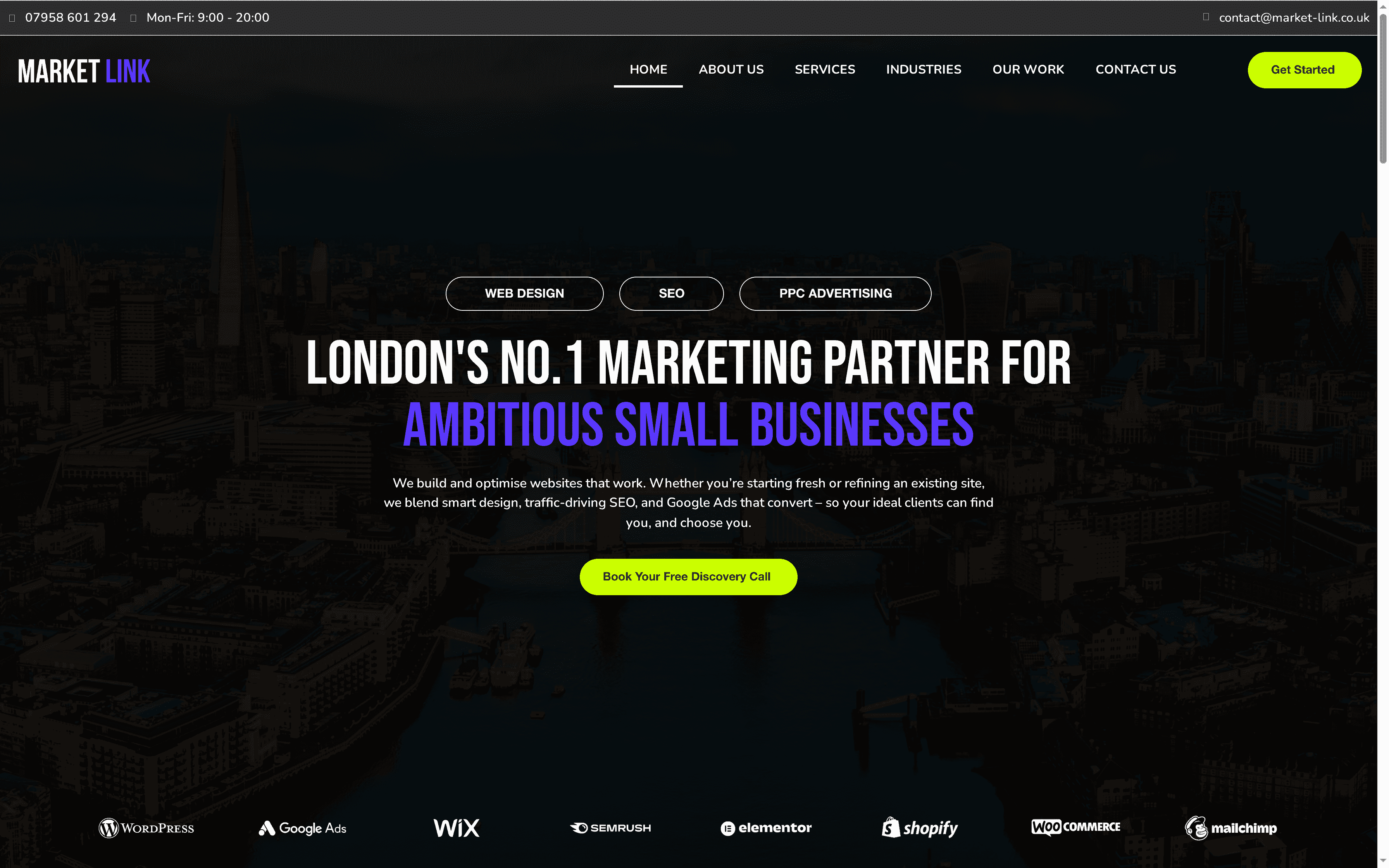
Ready to transform your local marketing strategy? Visit https://market-link.co.uk today to start building a compelling digital presence that truly connects with your London audience. Take action now to stay ahead in this competitive environment and turn your digital challenges into growth opportunities.
Frequently Asked Questions
What are the most effective marketing strategies for local businesses in London?
Local businesses in London benefit from strategies such as optimising for local SEO, creating user-friendly websites, and leveraging targeted advertising on platforms like Google and Instagram. Start by enhancing your Google Business Profile and ensuring your website is designed for easy navigation and mobile compatibility.
How can I improve my local SEO to attract more customers?
To improve local SEO, ensure your business information is consistent across online directories and incorporate location-specific keywords in your content. Regularly update your Google Business Profile and consider creating local content that engages with your community, aiming for a visibility boost within 30–60 days.
What should I include on my local business website?
Your local business website should feature clear navigation, fast loading times, and compelling visual content. Include your contact details prominently, high-quality images of your offerings, and a responsive design that caters to mobile users to enhance user experience.
How can customer reviews impact my local business?
Customer reviews are crucial for building trust and enhancing your online reputation. Actively encourage satisfied customers to leave reviews on popular platforms, as positive feedback can lead to a significant increase in customer attraction and engagement.
What’s a good way to create engaging local content?
To create engaging local content, focus on topics that resonate with your community, such as local events or cultural insights. Use a mix of written articles, images, and videos, and incorporate location-specific language to ensure your content feels relatable and relevant to your London audience.
How often should I monitor my marketing results?
Monitor your marketing results regularly, ideally on a monthly basis, to identify performance trends and adjust your strategies accordingly. Set key performance indicators (KPIs) that align with your business goals and be prepared to adapt your approach based on the data you collect.
Recommended
- 7 Smart Small Business Advertising Ideas for London Owners
- 7 Real Examples of Digital Marketing for London Businesses
- Essential Guide to Local SEO London for Small Businesses
- 7 Effective Google Ads Strategies for London Businesses
- The Importance of Translation and Localization for Modern Business Success