
Nearly 90 percent of british consumers say strong branding influences their buying decisions. For small business owners in London’s aesthetics and fitness industries, developing a memorable digital identity sets you apart in a crowded market. Effective digital branding can strengthen customer loyalty, boost your reputation, and support sustainable business growth by creating genuine connections across all online platforms.
Table of Contents
- Branding In Digital Marketing Explained
- Core Elements Of Effective Brand Identity
- Key Branding Strategies For Small Businesses
- Branding’s Role In Seo And Paid Ads
- Common Pitfalls And How To Avoid Them
Key Takeaways
| Point | Details |
|---|---|
| Digital Brand Identity | Craft a coherent digital brand identity that connects with your audience across diverse platforms. |
| Consistent Messaging | Ensure all communications maintain a uniform narrative that reflects your brand’s values and personality. |
| Visual Consistency | Develop a cohesive visual identity with consistent elements like colours and typography to enhance brand recognition. |
| Targeted Strategies | Leverage storytelling and technology to engage your audience, while tailoring content to their specific needs and preferences. |
Branding in Digital Marketing Explained
Branding in the digital era represents a complex strategic endeavour that transcends traditional marketing boundaries. Modern businesses must craft a digital brand identity that resonates across multiple online channels, creating meaningful connections with their target audience. Digital brand management involves creating a dynamic, multifaceted process where consumer perception and integrated digital communication work harmoniously.
Successful digital branding requires businesses to develop a consistent narrative that communicates their unique value proposition across websites, social media platforms, email marketing, and digital advertising. This means understanding your audience’s digital behaviour, preferences, and pain points while crafting messaging that speaks directly to their needs. Small businesses in London, particularly in aesthetics and fitness industries, must differentiate themselves by creating authentic, memorable digital experiences that showcase their personality and expertise.
The digital landscape demands a strategic approach to brand positioning. Companies must leverage visual design, compelling storytelling, and targeted content to build trust and credibility. This involves developing a cohesive visual identity with consistent colour schemes, typography, and imagery across all digital touchpoints. Professional photography, well-designed graphics, and high-quality video content can dramatically enhance a brand’s perceived value and professionalism.
Pro tip: Invest in creating a comprehensive brand style guide that outlines your digital brand’s visual and tonal guidelines, ensuring consistency across all marketing channels.
Core Elements of Effective Brand Identity
Building a robust brand identity requires strategic planning and thoughtful execution across multiple digital platforms. Effective brand identity demands a distinctive digital presence with consistent messaging and visual elements, focusing on creating a memorable and authentic representation of a business’s core values. For small businesses in London’s competitive aesthetics and fitness sectors, this means developing a unique visual and communicative approach that distinguishes them from numerous competitors.
The core elements of a powerful brand identity encompass several critical components. Visual identity plays a pivotal role, including logos, colour palettes, typography, and graphic design that communicate a brand’s personality. Messaging consistency ensures that every communication channel reinforces the same core narrative, whether through website content, social media posts, email marketing, or advertising materials. Brand voice represents another crucial element, defining the tone, language, and emotional resonance of all communications.
Successful brand identities also integrate storytelling and emotional connection. This involves crafting a compelling narrative that resonates with target audiences, highlighting the business’s unique journey, values, and commitment to solving customer challenges. For London-based fitness and aesthetics businesses, this might mean showcasing personal transformation stories, highlighting professional expertise, or demonstrating a genuine understanding of client wellness goals. Authenticity becomes the cornerstone of building trust and establishing long-term customer relationships.
Here is a breakdown of how core brand identity elements influence business outcomes:
| Brand Element | Impact on Business | Typical Implementation |
|---|---|---|
| Visual Identity | Builds recognition, trust | Logo, colours, photography |
| Messaging | Reinforces value, clarity | Website copy, social posts |
| Brand Voice | Drives emotional connection | Tone in all communications |
| Storytelling | Fosters loyalty, engagement | Customer stories, bios |
Pro tip: Conduct a comprehensive brand audit every six months to ensure your digital brand identity remains aligned with your evolving business goals and target audience expectations.
Key Branding Strategies for Small Businesses
Small businesses manage branding uniquely, recognising that the business itself often becomes the brand. For London-based aesthetics and fitness enterprises, this means developing a strategic approach that highlights their distinctive personality, expertise, and commitment to client transformation. Effective branding goes beyond visual design, encompassing a holistic strategy that communicates the business’s core values and unique selling propositions.
Successful small business branding requires a multifaceted approach. Digital storytelling emerges as a critical strategy, allowing businesses to create emotional connections with their audience. This involves crafting compelling narratives that showcase the business’s journey, client success stories, and professional expertise. Visual branding elements such as consistent colour schemes, professional photography, and engaging social media content play a crucial role in establishing brand recognition and credibility.

Technology and automation can significantly enhance branding efforts for small businesses. Leveraging AI-powered tools for social media management, content creation, and customer interaction enables businesses to maintain a consistent and responsive brand presence. Strategic messaging that emphasises the business’s unique value proposition, combined with targeted digital marketing techniques, helps small enterprises stand out in competitive markets. For London-based businesses, this might involve highlighting local expertise, showcasing community connections, and demonstrating a deep understanding of client-specific needs.
Pro tip: Develop a comprehensive digital brand guideline document that outlines your visual identity, communication tone, and core messaging to ensure consistency across all marketing channels.
Branding’s Role in SEO and Paid Ads
Search engine optimization (SEO) is crucial for digital marketing success, improving brand visibility and driving organic traffic. For small businesses in London’s competitive aesthetics and fitness sectors, understanding the intricate relationship between branding, SEO, and paid advertising can transform digital marketing strategies. Effective branding serves as the foundational element that connects organic search performance with targeted advertising efforts, creating a cohesive digital presence that resonates with potential clients.
The synergy between brand identity and search engine strategies is particularly powerful. Keyword alignment becomes critical, with businesses developing content that reflects their unique brand voice while simultaneously targeting search terms potential clients use. This means crafting website content, blog posts, and social media messaging that not only communicate the brand’s personality but also incorporate strategic keywords that improve search engine rankings. Visual branding elements like logos, colour schemes, and consistent imagery also contribute to brand recognition, indirectly supporting SEO efforts by increasing user engagement and time spent on website pages.
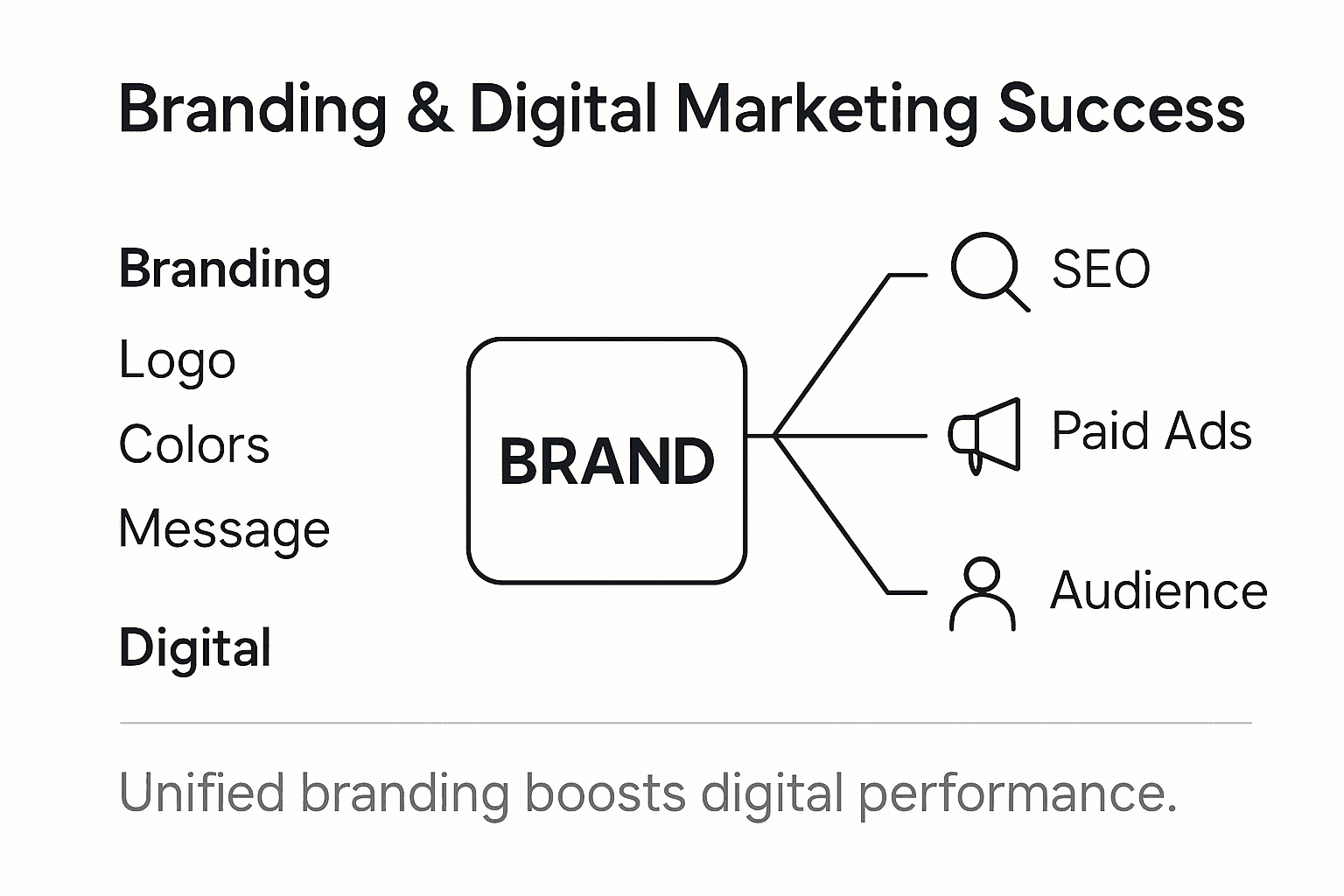
Paid advertising platforms offer unique opportunities to amplify brand messaging with precision targeting. Google Ads and social media advertising allow businesses to create highly customised campaigns that showcase brand personality while reaching specific demographic groups. This approach enables London-based fitness and aesthetics businesses to display their unique value proposition directly to potential clients, using carefully designed ad creative that maintains brand consistency. The integration of organic SEO strategies with targeted paid advertising creates a comprehensive digital marketing approach that maximises brand visibility and customer acquisition potential.
The following comparison highlights the difference between organic SEO and paid ads from a branding perspective:
| Approach | Branding Benefits | Targeting Precision | Cost Profile |
|---|---|---|---|
| Organic SEO | Sustained brand authority | Broad audience reach | Ongoing optimisation |
| Paid Advertising | Immediate brand visibility | Highly targeted segments | Defined campaign fee |
Pro tip: Develop a unified keyword strategy that aligns your brand messaging across organic content and paid advertising to create a consistent and recognisable digital brand experience.
Common Pitfalls and How to Avoid Them
Brands often falter by diluting their identity through over-diversification and inconsistent messaging, a challenge particularly acute for small businesses in London’s competitive aesthetics and fitness markets. Understanding these potential branding missteps is crucial for developing a robust and resilient digital marketing strategy that maintains authenticity and client trust.
Brand inconsistency emerges as a primary pitfall that can significantly undermine marketing efforts. This manifests through misaligned visual elements, fluctuating communication tones, or messaging that fails to reflect the business’s core values. For London-based fitness and aesthetics enterprises, maintaining a consistent brand voice across all digital platforms is essential. This means ensuring that social media posts, website content, email communications, and advertising materials all speak with the same authentic tone, using consistent colour palettes, typography, and imagery that genuinely represent the business’s unique personality.
Another critical challenge is narrow audience understanding. Many small businesses make the mistake of creating generic, one-size-fits-all branding that fails to resonate with their specific target demographic. Successful branding requires deep insights into client motivations, pain points, and aspirations. For a London fitness studio or aesthetics clinic, this means developing marketing materials that speak directly to local clients’ specific wellness goals, lifestyle expectations, and personal transformation journeys. Effective brand strategies involve continuous audience research, regularly updating client personas, and adapting messaging to reflect evolving customer needs and preferences.
Pro tip: Conduct a quarterly brand audit to evaluate consistency, relevance, and alignment between your brand messaging and target audience expectations.
Elevate Your Brand to Digital Marketing Success Today
Building a strong, consistent brand identity is essential for small businesses in London looking to stand out in the competitive aesthetics and fitness sectors. If maintaining authenticity, aligning your messaging, and leveraging SEO alongside paid advertising feels overwhelming, you are not alone. The challenges of creating a cohesive digital brand voice while targeting the right audience can limit growth and customer loyalty. Our expertise helps you overcome these obstacles by developing tailored web design, SEO optimisation, and PPC advertising strategies built around your unique brand story and business goals.

Discover how real businesses have transformed their digital presence by visiting our Success Stories Archives – Digital Marketing Agency – Market Link Solutions. Let us help you create impactful brand consistency that resonates with your target clients through proven web design and targeted ads. Take the next step now and get in touch through our main site Market Link to start growing your digital brand presence with confidence.
Frequently Asked Questions
What is branding in digital marketing?
Branding in digital marketing refers to the strategic process of creating a distinctive digital identity for a business, which resonates across various online channels and builds meaningful connections with the target audience.
Why is brand consistency important in digital marketing?
Brand consistency is crucial as it reinforces recognition and trust among consumers, ensuring that all messaging and visual elements align with the business’s core values and narrative across different digital platforms.
How can small businesses create effective brand identities?
Small businesses can create effective brand identities by developing a unique visual identity, maintaining consistent messaging, establishing a distinct brand voice, and integrating compelling storytelling that resonates with their target audience.
What role does branding play in SEO and paid advertising?
Branding enhances SEO by improving brand visibility and user engagement, while paid advertising allows businesses to amplify their brand messaging through targeted campaigns, helping to achieve a cohesive digital presence that attracts clients.
Recommended
- Why Your Business Needs a Digital Marketing Agency: A Comprehensive Guide – Digital Marketing Agency – Market Link Solutions
- Why Invest in Digital Marketing: Complete Guide
- Complete Guide to Why Use Digital Marketing
- What Is Digital Marketing? Complete Guide for London SMEs – Digital Marketing Agency – Market Link Solutions