
Choosing how your business appears online can feel overwhelming, especially when every detail shapes customer impressions within seconds. Many London entrepreneurs still treat a website like a static brochure, yet research proves that continuous updates and a balanced focus on aesthetics and usability make the difference in customer engagement. Unpacking the most common web design myths, this guide offers clear, actionable steps to help you build a digital presence that stands out and inspires trust.
Table of Contents
- Website Design Basics And Common Myths
- Modern Website Design Types And Trends
- Key Elements Supporting Trust And Credibility
- Mobile Usability And Search Engine Visibility
- Costs, Pitfalls, And Legal Compliance In The UK
Key Takeaways
| Point | Details |
|---|---|
| Balanced Design is Key | Websites should blend aesthetic appeal with functionality to create an engaging user experience. |
| Mobile Responsiveness is Essential | With over 70% of web traffic coming from mobile devices, prioritising mobile design is crucial for success. |
| Trust Elements are Critical | Incorporating professional visuals, clear navigation, and customer testimonials builds credibility and trust. |
| Stay Compliant with Regulations | Understanding and adhering to legal requirements like GDPR and accessibility standards is vital for avoiding penalties. |
Website design basics and common myths
Understanding website design can feel like navigating a complex maze for London small business owners. Many entrepreneurs mistakenly believe that a website is simply a digital business card, but modern design is far more nuanced. Comprehensive web design research reveals critical insights into creating digital experiences that genuinely attract and retain customers.
Several persistent myths prevent businesses from developing effective websites. Here are the most common misconceptions:
- More features always mean a better website – In reality, clean, purposeful design trumps feature overload
- Design is a one-time project – Successful websites require continuous refinement and updating
- Visual beauty matters more than functionality – User experience and performance are equally crucial
- Mobile responsiveness is optional – With over 60% of web traffic from mobile devices, responsiveness is mandatory
Small business websites must balance aesthetic appeal with practical functionality. Your digital presence should communicate your brand’s personality while providing clear navigation and seamless user experience. This means strategically placing information, using intuitive design principles, and ensuring fast loading times across all devices.
Website performance goes beyond visual elements. Search engine optimization (SEO), loading speed, and user journey mapping are fundamental components that determine a site’s effectiveness. A beautifully designed website that loads slowly or ranks poorly in search results will struggle to attract and retain potential customers.
Pro tip: Invest in regular website audits to identify design and performance improvement opportunities, ensuring your digital presence remains competitive and engaging.
Modern website design types and trends
The digital landscape for London businesses is continuously evolving, with modern website design becoming increasingly sophisticated and user-centric. Modern web design trends are reshaping how businesses communicate and engage with their audience, focusing on creating immersive, intuitive digital experiences that go far beyond traditional static web pages.
Key modern website design approaches include:
- Mobile-first design – Prioritising responsive layouts that function seamlessly across smartphones and tablets
- Minimalist aesthetics – Clean, uncluttered interfaces that enhance user navigation
- Interactive experiences – Engaging elements that encourage user interaction and exploration
- AI-powered personalization – Dynamic content that adapts to individual user preferences
- Dark mode options – Providing alternative colour schemes for enhanced visual comfort
Businesses in London are increasingly recognising that website design is no longer just about appearance, but about creating meaningful digital interactions. Advanced design strategies now incorporate sophisticated user experience (UX) principles, ensuring websites are not just visually appealing but functionally intelligent. This means developing sites that anticipate user needs, provide intuitive navigation, and deliver information efficiently.
Technology continues to drive website design innovation. Advanced interactive design now integrates artificial intelligence, machine learning, and responsive technologies to create dynamic, adaptive web experiences. For London businesses, this translates into websites that can personalise content in real-time, offer seamless mobile experiences, and provide accessibility features that cater to diverse user requirements.
Here’s a summary comparing traditional static website approaches with modern dynamic design trends:
| Aspect | Traditional Static Sites | Modern Dynamic Design |
|---|---|---|
| User Experience | Limited interaction | Immersive, interactive |
| Mobile Support | Often neglected | Prioritised responsiveness |
| Personalisation | Generic content | AI-driven content adaption |
| Adaptability | Difficult updates | Easy, continuous improvement |
| Design Focus | Visual appearance | Intuitive navigation & UX |
Pro tip: Regularly audit your website’s design and functionality, ensuring it meets contemporary user expectations and leverages the latest technological capabilities.
Key elements supporting trust and credibility
Building digital trust is a nuanced art for London businesses, requiring careful attention to design and content strategies. Website design elements play a critical role in establishing credibility, creating an immediate psychological impact on potential customers within seconds of landing on a website.
Key trust-building design elements include:
- Professional visual consistency – Maintaining uniform colour schemes, typography, and branding across all pages
- Clear navigation – Intuitive menus and user pathways that reduce visitor confusion
- High-quality imagery – Professional photographs and graphics that represent your business authentically
- Customer testimonials – Genuine feedback and success stories prominently displayed
- Security indicators – Trust badges, SSL certificates, and transparent privacy policies
The visual presentation of a website significantly influences user perceptions. Trust signals in web design demonstrate that professional, clean aesthetics communicate competence and reliability. This means investing in high-quality design that reflects your brand’s professionalism, with attention to details like typography, colour psychology, and responsive layout.
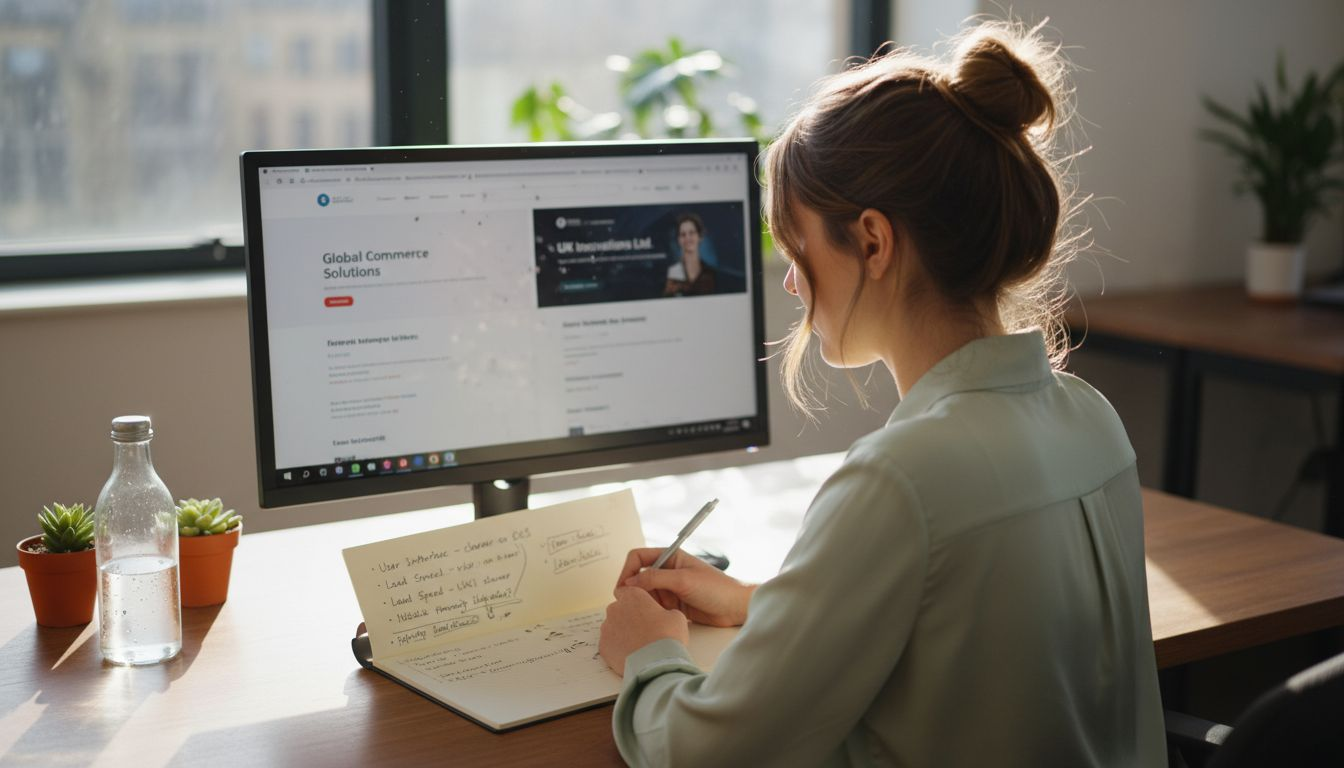
Technical performance is equally crucial in establishing credibility. Websites that load quickly, function smoothly across devices, and provide secure browsing experiences build user confidence. For London businesses, this translates into implementing responsive design, optimising page speed, and ensuring robust cybersecurity measures that protect user data and demonstrate technological sophistication.
Pro tip: Conduct regular user experience audits to identify and resolve any design elements that might undermine your website’s perceived trustworthiness.
Mobile usability and search engine visibility
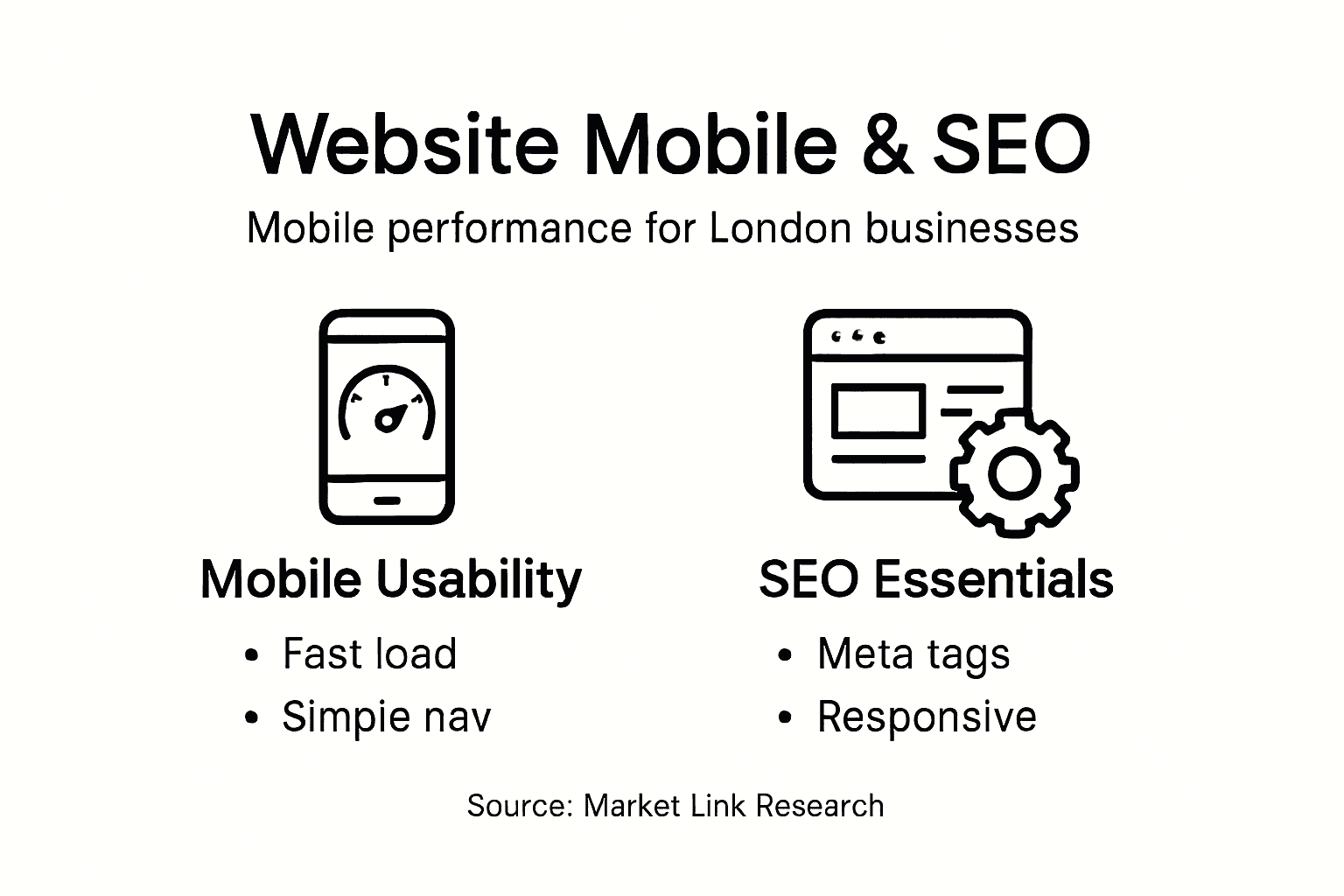
Mobile internet usage has transformed how London businesses approach digital marketing, making responsive web design absolutely critical for online success. With over 70% of web traffic now originating from mobile devices, businesses can no longer treat mobile design as an afterthought but must prioritise it as a primary strategy.
Key mobile usability considerations include:
- Responsive layout – Designs that automatically adjust to different screen sizes
- Touch-friendly navigation – Large, easily tappable buttons and intuitive menus
- Fast loading speeds – Optimised images and streamlined code for quick performance
- Readable typography – Clear, appropriately sized fonts that work across devices
- Simplified forms – Minimalist input fields that reduce user friction
Search engine algorithms increasingly prioritise mobile performance, making mobile navigation design a critical factor in online visibility. Google’s mobile-first indexing means websites are primarily evaluated based on their mobile version, directly impacting search rankings and organic traffic potential for London businesses.
Technical optimization goes beyond visual design. Businesses must implement technical strategies like accelerated mobile pages (AMP), compress image files, minimise code complexity, and ensure cross-device compatibility. These technical refinements not only improve user experience but also significantly enhance search engine performance, creating a virtuous cycle of improved visibility and user engagement.
Pro tip: Regularly test your website’s mobile performance using free tools like Google’s Mobile-Friendly Test to identify and resolve potential usability issues.
Costs, pitfalls, and legal compliance in the UK
Navigating the complex landscape of website design requires London businesses to balance budgetary constraints with legal obligations. UK website compliance involves understanding multiple regulatory frameworks that can significantly impact digital strategy and operational costs.
Critical legal considerations for London businesses include:
- General Data Protection Regulation (GDPR) – Strict rules for data collection and user privacy
- Cookie consent requirements – Mandatory transparent information about data tracking
- Accessibility standards – Ensuring websites are usable by people with disabilities
- Transparent business information – Clear display of company registration details
- Digital accessibility compliance – Meeting Equality Act 2010 requirements
Website design costs vary dramatically across the United Kingdom, with London consistently representing the most expensive market. Small businesses must carefully evaluate potential providers, understanding that the highest price does not guarantee superior quality. Effective budgeting involves comparing detailed service offerings, examining portfolio examples, and requesting comprehensive breakdowns of proposed work.
Legal non-compliance can result in substantial financial penalties and reputational damage. The Information Commissioner’s Office can impose fines up to £17.5 million or 4% of annual global turnover for serious data protection breaches. This underscores the critical importance of working with design professionals who understand both aesthetic requirements and regulatory landscapes.
To help you ensure compliance, here’s a quick reference of UK website legal requirements, their purpose, and consequences of neglect:
| Requirement | Purpose | Neglect Consequence |
|---|---|---|
| GDPR | Protect user data privacy | Heavy fines, reputational harm |
| Cookie Consent | Clarify data tracking | Regulatory penalties |
| Accessibility | Support all users | Legal action, exclusion |
| Business Details | Transparency | Customer distrust, breach of law |
| Equality Act | Combat discrimination | Legal claims, accessibility loss |
Pro tip: Conduct a comprehensive legal and technical audit of your website annually to ensure ongoing compliance with evolving UK digital regulations.
Elevate Your London Business with Expert Website Design and Proven Digital Growth
Struggling to transform your website into a powerful business asset that combines attractive design with seamless functionality and legal compliance The challenges highlighted in the article around mobile responsiveness, trust-building elements, and continuous optimisation can feel overwhelming for small businesses in London. At Market Link Solutions we understand these pain points deeply and specialise in creating websites that not only look professional but deliver measurable results through targeted SEO and PPC advertising.
Discover how we turn design myths into effective digital strategies by focusing on user experience, mobile-first design, and trustworthy content. Our tailored solutions ensure your website performs optimally across all devices while boosting your search engine visibility and converting visitors into loyal customers. Explore our clients’ successes and see real proof of transformation at Success Stories Archives – Digital Marketing Agency – Market Link Solutions.
Ready to overcome website design challenges and grow your London business with a trusted digital partner Visit Market Link Solutions today for a free consultation and start unlocking your website’s true potential. Take the first step towards a responsive, compliant, and high-performing online presence now.
Frequently Asked Questions
Why is website design important for small businesses?
Website design is crucial for small businesses because it creates the first impression for potential customers. A well-designed site enhances credibility, improves user experience, and can increase conversion rates by making it easier for visitors to navigate and find what they need.
How can modern design trends enhance user engagement on a website?
Modern design trends such as mobile-first design, minimalist aesthetics, and interactive experiences can significantly enhance user engagement. These trends focus on creating intuitive layouts and personalised content that keep users interested and encourage them to interact with the site.
What are some key elements to establish trust through website design?
Key elements that establish trust include professional visual consistency, clear navigation, high-quality imagery, customer testimonials, and security indicators. Incorporating these elements helps to create a positive perception and reliability for your brand.
How does mobile usability impact search engine rankings?
Mobile usability dramatically impacts search engine rankings as search engines like Google prioritise mobile-friendly websites in their indexing. A responsive design that functions well on mobile devices leads to better user experience and can enhance visibility in search results.